

Introductions
A polished manicure can improve confidence and make hands look well cared for. Yet a lasting result depends on more than choosing an attractive color. Correct preparation, safe curing, gentle removal, and regular nail care all matter. Uvlack is a light-cured gel nail coating that creates a smooth, glossy finish and often lasts longer than ordinary polish. This guide explains how to use it safely, avoid common mistakes, try modern nail-art styles, and protect natural nails. It is designed to help beginners enjoy neat results without harsh methods that may weaken the nail plate or irritate the skin.
What Is Uvlack?
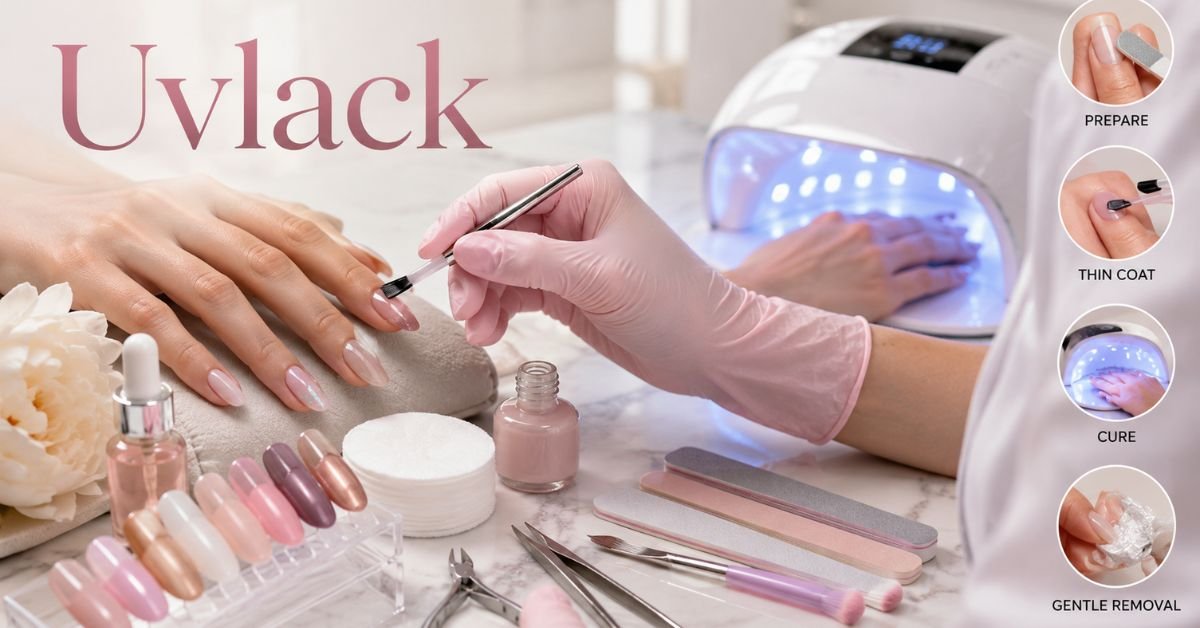
Uvlack is a gel lacquer that hardens under a UV or LED lamp. A manicure usually includes a base coat, one or two color coats, and a top coat. Each layer must be cured before the next one is applied. The product is popular because it offers strong shine and better chip resistance than regular polish. Results still depend on using the correct lamp, applying thin coats, and working on healthy natural nails.
Gel Polish Compared With Other Nail Options
| Nail option | How it sets | Best for | Main weakness |
| Regular polish | Dries in the air | Quick color changes | May chip sooner |
| Gel lacquer | Cures under a lamp | Longer-lasting shine | Needs careful removal |
| Press-on nails | Uses glue or tabs | Fast length and designs | May lift |
| Nail wraps | Uses strips or stickers | Easy patterns | Edges may peel |
Uvlack suits people who want a tidy finish that lasts. Regular polish may be a better choice for anyone who enjoys changing nail colors every few days.
Tools Needed for a Home Manicure
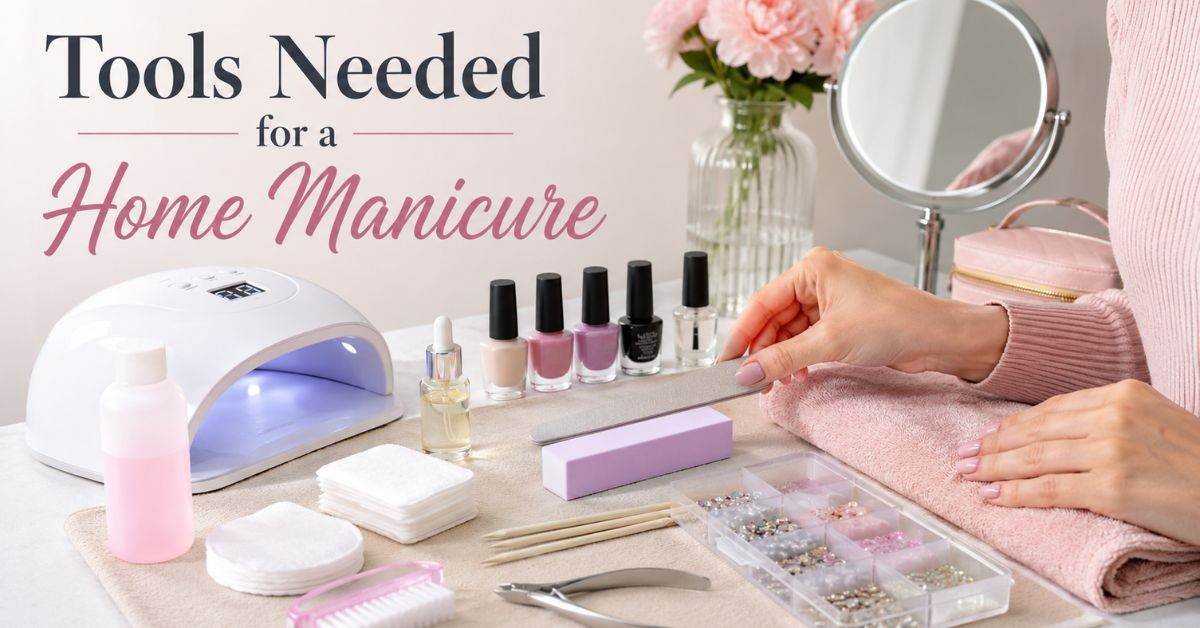
A small and organized nail kit is better than buying too many products at once. Beginners should focus on essential tools that are simple to use and store.
- A compatible UV or LED lamp
- The essential nail products include a base coat, a color coat, and a top coat.
- A fine nail file and soft buffer
- Lint-free wipes and nail cleanser
- Cuticle oil and hand cream
- Gel remover or acetone
- Cotton pads and foil
Choose products from a trusted seller and read every label before beginning. Do not mix random lamps and gel systems unless the manufacturer confirms that they work together.
How to Prepare Your Nails
Good preparation helps Uvlack remain smooth and prevents early lifting. Start with clean and completely dry hands. Shape the nail edge gently and push back loose cuticle skin without cutting living tissue.
Follow these preparation steps
- Remove old polish completely
- File nails into the desired shape
- Buff very lightly only when required
- Brush away all nail dust
- Clean the nail surface.
- Avoid touching it afterward.
Do not apply gel over sore, swollen, cracked, or infected nails. Wait until the nail and surrounding skin have fully recovered. Strong filing is not necessary. Removing too much of the natural nail surface can make nails thin, painful, and easier to damage.
How to Apply Uvlack Correctly
Apply every coat in a thin and even layer. Thick gel may wrinkle, remain soft underneath, or create an uncomfortable heat feeling inside the lamp.
Use this application order
- After applying a thin base layer, let it cure.
- Add the first color coat and cure it.
- Apply a second coat when needed
- Finish with a top coat and cure it fully
- Wipe the sticky layer only when required.
Keep Uvlack away from the skin and cuticle area. Clean any spill before placing the hand inside the lamp. Always follow the curing time printed on the product label. Do not guess the correct curing time. Different formulas may require different lamps and settings.
Professional Tips for a Cleaner Finish
Good brush control is more important than expensive nail tools. Hold the brush almost flat and guide the color from the center of the nail toward the sides. Leave a tiny space around the cuticle.
For a cleaner manicure
- Use less product on the brush
- Paint the thumb separately when needed.
- Cure every layer fully
- Lightly seal the free edge
- Keep bottles away from lamplight
- Use a fine brush for nail art
Uvlack works best when each layer remains thin. One heavy color coat usually causes more problems than two light coats. If the polish moves toward the cuticle before curing, use a clean detail brush to correct the edge. This creates a smoother and more professional appearance.
Daily Nail-Care Routine
A beautiful manicure should not replace basic nail care. Apply cuticle oil each day, use hand cream after washing, and wear protective gloves while cleaning, washing dishes, or gardening.
Watch for these warning signs:
- Burning, itching, or swelling
- Blisters around the fingertips
- Green, yellow, or dark nail color
- Pain or nail separation
- Repeated lifting in one area
Stop using Uvlack if irritation appears. A qualified healthcare professional should examine any lasting pain, unusual color, swelling, or nail separation. Keeping the skin moisturized can also prevent dryness around the nail edges. Avoid using your nails to open cans, scratch tough surfaces, or remove labels.
How to Remove Gel Safely
Never peel Uvlack from the natural nail. Peeling can pull away thin nail layers and leave the surface weak, rough, or sensitive. Gently file the top shine only when the product instructions recommend it. Place remover-soaked cotton on each nail and cover it with foil. Wait for the stated amount of time.
When the coating becomes soft, move it away with very light pressure. Do not scrape forcefully. If part of the product remains firm, cover the nail again and allow more time. Wash your hands after removal, then use hand cream and cuticle oil. Let thin or sore nails recover before beginning another manicure.
Popular Nail-Art Trends
Modern nail styles focus on clean shapes, soft shine, and small creative details. Popular choices include milky pink shades, jelly colors, tiny French tips, chrome accents, fruit-inspired colors, simple dots, and short natural lengths. Uvlack supports these styles because its smooth finish works well for both plain color and detailed nail art. Beginners can start with a soft base color and add one small feature nail. Choose one main effect instead of adding many decorations. Simple designs are usually easier to apply, repair, and maintain. Bright shades can work well during warmer months, while soft pink, beige, brown, and deep red are useful for a more classic appearance.
Common Problems and Easy Fixes
| Problem | Possible cause | Simple solution |
| Lifting near the cuticles | Oil, dust, or skin contact | Clean properly and leave a small gap |
| Wrinkled color | Coat is too thick | Apply thinner layers |
| Dull finish | Incorrect curing or wiping | Check the top-coat directions |
| Chipped tips | Nail edge was not sealed | Lightly cover the free edge |
| Soft gel | Wrong lamp or curing time | Remove it and use the correct system |
Never cover soft gel with another coat. Remove uncured material safely and begin again. Adding more product over an uncured layer may trap soft gel underneath.
FAQs
How long can a gel manicure last?
A carefully applied manicure may remain neat for around two weeks, depending on nail growth and daily activity.
Can any lamp cure any gel polish?
No. Use a lamp that is confirmed as compatible with the chosen product.
Why does gel lift after a few days?
Oil, moisture, thick coats, skin contact, or incomplete curing may cause lifting.
Is Uvlack suitable for weak nails?
It may be used carefully, but sore, peeling, or badly damaged nails should be allowed to recover first.
Should nails rest between manicures?
Take a break when nails become thin, painful, very dry, or rough.
Conclusion
Uvlack can create glossy and long-lasting nails when it is applied with patience. Safe results begin with clean preparation, thin coats, correct curing, and careful skin protection. Daily nail care and gentle removal are just as important as choosing an attractive color. Beginners should start with one shade and a simple design. Record the lamp time and products used so every new manicure becomes easier to improve. Never peel, pull, or scrape the coating from the natural nail.
Healthy nails should always come before fashion. Stop using Uvlack if the skin becomes itchy, swollen, or painful, and seek professional advice when symptoms continue. With careful habits and steady practice, you can create a neat home manicure while keeping your natural nails protected.