

Introduction
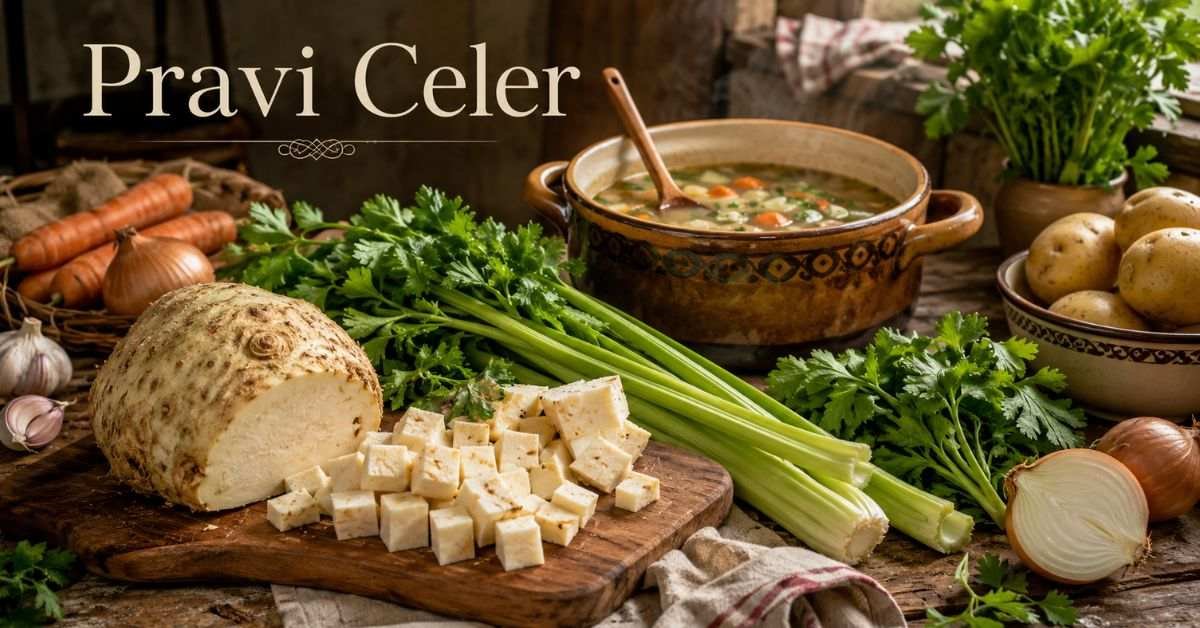
Old family recipes preserve more than cooking instructions. They also carry regional language, local habits, and knowledge passed between generations. That is why the phrase Pravi Celer may look confusing in a Balkan cookbook. It can sound like a rare spice or a special dish, but it actually refers to true or garden celery. Celery does not always mean the pale stalks found in supermarkets. Balkan cooks may use the root, leaves, thin stems, or several parts together. Each form gives food a different taste and texture. This guide explains the meaning of the term and the best ways to buy, prepare, cook, and store it safely.
What Does Pravi Celer Mean?
Pravi Celer means “true celery” or “real celery.” It refers to the plant known as Apium graveolens. This species includes celery root, stalk celery, and leaf celery. Some descriptions use the term only for celeriac. That meaning is too narrow. Celeriac is the large, rough root form, but it is only one type of celery. The method given in a recipe usually shows which part is needed.
- “Peel and cube” normally means celery root.
- “Chop the leaves” means chop the celery.
- “Slice the ribs” points to stalk celery.
- “Add a small piece” often means celeriac.
Its Role in Balkan Cooking
Pravi Celer is often added to soups, broths, stews, sauces, and slow-cooked meals. It is commonly cooked with onions, carrots, parsley root, potatoes, leeks, or garlic. The vegetable usually works as a background flavor. A small amount can make food taste deeper and more complete without becoming the strongest ingredient.
Common uses include
- Beef, chicken, and vegetable soups
- Bean and lentil stews
- Tomato-based sauces
- Roasted root vegetables
- Pickles and spice mixtures
Celery root is especially useful in broth because it adds an earthy taste. The leaves may be added near the end of cooking to provide a fresh herbal smell.
Main Types of Celery
Three main forms are connected with Pravi Celer. They come from the same plant species, but each has a different appearance, flavor, and purpose.
| Type | Main Part Used | Flavor | Best Uses |
| Celeriac | Large root | Earthy and slightly nutty | Soup, mash, and roasting |
| Stalk celery | Thick green ribs | Fresh, crisp, and mild | Salads, sauces, and snacks |
| Leaf celery | Leaves and thin stems | Strong and herbal | Soups, stews, and seasoning |
Using the wrong type can change the final dish. Stalks of celery will not give broth the same earthy depth as the root. Leaf celery has a stronger flavor, so using too much may cover the taste of other ingredients.
Flavor and Food Pairings
Pravi Celer has a green, savory, and slightly bitter flavor. The root becomes softer and sweeter when cooked. The leaves keep a stronger herbal smell, while the stalks usually remain crisp and fresh. Celery root pairs well with carrots, onions, potatoes, beans, mushrooms, chicken, and beef. In raw dishes, it can also be combined with apples, walnuts, mustard, yogurt, or lemon juice. Begin with a small amount, allow the dish to cook, and taste it before adding more. This is especially important when using fresh celery leaves because they can have a powerful flavor.
How to Buy the Right Kind
When shopping for Pravi Celer, read the recipe instructions first. Directions to peel, grate, or cube the ingredient usually mean celery root. Chopped leaves require leaf celery, while sliced ribs point to stalk celery.
Use these buying tips
- Select roots that feel firm and heavy.
- Avoid wet, soft, or badly damaged areas.
- Choose crisp stalks that do not bend easily.
- Look for green leaves without yellow or slimy spots.
- Check for a clean and fresh herbal smell.
Smaller celery roots are often easier to peel. They may also have less dry or hollow areas inside.
Cleaning and Preparation
Pravi Celer needs careful washing because soil can hide inside its rough root and between the lower stalks. Cleaning it properly also improves the taste and safety of the final meal.
| Part | How to Prepare It | Common Use |
| Root | Scrub, peel, rinse, and cut | Soup, mash, or roasting |
| Stalk | Wash, trim, and slice | Salad, sauce, or stew |
| Leaves | Rinse and chop finely | Seasoning or garnish |
| Seeds | Crush lightly | Pickles and spice blends |
Follow these preparation steps
- Wash every part under clean running water.
- Use a strong knife when cutting the firm root.
- Remove dark, soft, or damaged areas.
- Place chopped pieces in the refrigerator quickly.
- Freeze clean leaves for use in future meals.
Simple Balkan-Style Celery Soup
A basic vegetable soup is an easy way to understand the flavor of Pravi Celer. You need one onion, one carrot, one small potato, about 150 grams of celery root, one tablespoon of oil, 750 milliliters of water or stock, salt, pepper, and a few fresh leaves. Cook the chopped onion in oil until it becomes soft. Add the diced carrot, potato, and celery root. Pour in the water or stock and bring it to a gentle boil. Lower the heat and simmer until all the vegetables are tender.
Blend the soup completely for a smooth result, or blend only half if you prefer some vegetable pieces. Add salt and pepper after tasting. Finish with a small amount of chopped celery or parsley leaves. Beans, barley, chicken, yogurt, or lemon juice can also be added to change the taste and make the soup more filling.
Nutrition and Everyday Value
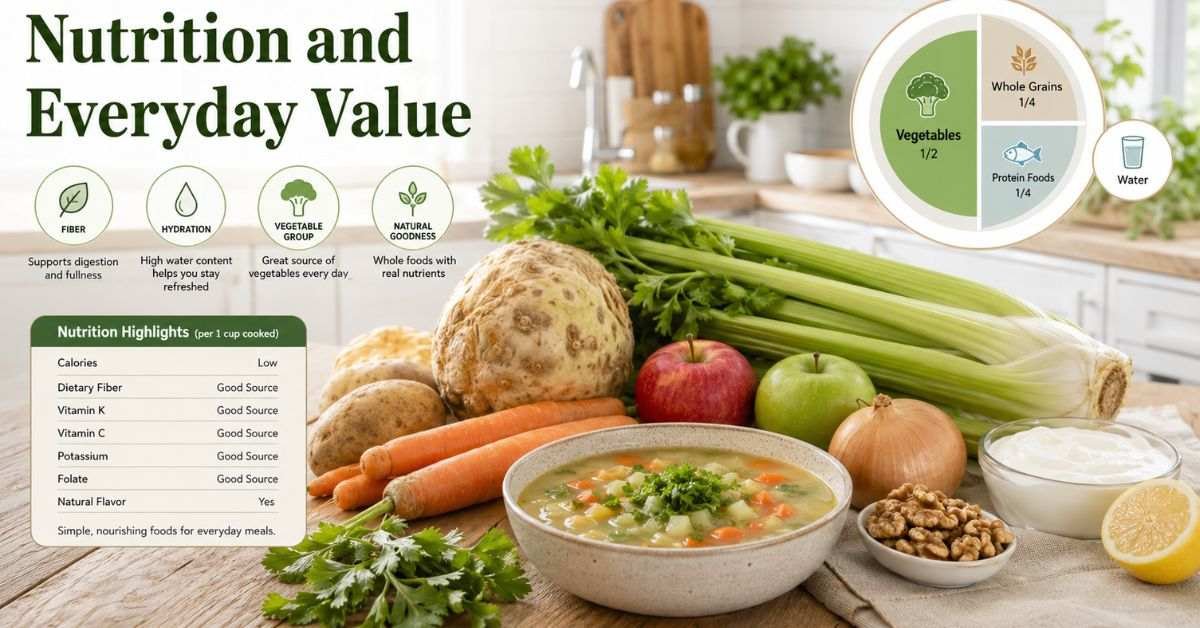
Pravi Celer adds flavor, moisture, and texture without requiring a heavy sauce. It can make soups and stews taste richer while helping cooks control the amount of added salt and fat. However, it should not be treated as a miracle food. Celery cannot cure diseases, remove every toxin from the body, or produce instant weight loss. It is simply a useful vegetable that can be included in a balanced diet. The root can be roasted, boiled, or mashed. The stalks can be eaten raw or added to sauces. The leaves can season potatoes, eggs, stews, and soups. Using several parts of the plant also helps reduce food waste.
Storage, Safety, and Allergies
To keep Pravi Celer fresh, store it correctly. A whole celery root can remain in the refrigerator for several weeks when it is kept dry and uncut. Leaves and stalks usually need to be used sooner.
Remember these safety points
- Keep cut celery in a sealed container.
- Discard pieces that feel slimy or smell sour.
- Clean knives and cutting boards after preparation.
- Tell guests when a meal contains celery.
- Never assume that cooking removes allergy risks.
Celery is an important food allergen for some people. Someone with a diagnosed allergy may need to avoid the root, leaves, stalks, seeds, celery salt, and seasoning powders containing celery.
Why the Tradition Still Matters
Pravi Celer connects old Balkan recipes with modern home cooking. Almost every part of the plant can be used, which may help families reduce kitchen waste. Celeriac creates a deeper and earthier soup. Stalk celery produces a lighter and fresher result, while the leaves provide a strong herbal finish. Understanding these differences helps readers follow translated recipes more accurately. It also makes it easier to choose a sensible replacement when the exact form of celery mentioned in the original recipe is unavailable.
FAQs
Is true celery the same as celeriac?
No. Celeriac is the root-focused cultivated form of the wider celery species.
What does “celer” mean in a Balkan recipe?
It means celery, but the preparation method reveals whether the writer intended the root, leaves, stalks, or several parts.
Can stalk celery replace celery root?
It can work in some soups, but the final dish will taste lighter, fresher, and less earthy.
Are celery leaves edible?
Yes. Use them sparingly as a strong herb in soups, sauces, eggs, stews, and potato dishes.
Does celery need to be peeled?
Celery root usually needs peeling. Young stalks normally require only careful washing and trimming.
Conclusion
Pravi Celer is not a rare spice or an unusual regional product. It is a traditional name for true or garden celery, including its root, stalk, and leaf forms. Use celery root for deep soups, broths, mash, and roasted dishes. Choose stalk celery for salads and lighter meals. Add the leaves carefully because their flavor can be strong. Always wash the vegetable properly, store it correctly, and remember that celery may cause allergic reactions in some people. Add a small piece of celery root to your next homemade soup. Taste the broth before and after it has simmered. This simple test will show why Pravi Celer has remained an important part of Balkan food culture for generations.