


Introduction
Starting a business often looks exciting, but turning an idea into a stable company requires careful decisions. Owners must understand customers, control spending, follow legal rules, organize daily work, lead people, promote their offer, and prepare for future growth. iCostamp brings these responsibilities together through seven connected business pillars. This structure helps beginners, side-hustle owners, and small teams understand how one decision can affect the whole company. Strong marketing cannot protect weak finances, while a useful product may still fail when delivery systems are poor. A connected approach allows owners to check every important area before problems become expensive. This guide explains how to use the framework in 2026 with practical actions and clear comparisons. It is designed to help readers move from business ideas to progress without depending on confusing terms, risky shortcuts, or unsupported promises. Each section focuses on decisions that can improve stability, customer trust, and long-term performance.
Understand the Seven Business Pillars
The main idea behind iCostamp is that a business becomes stronger when its important parts support one another.
The seven pillars include
- Business planning and idea testing
- Funding and financial control
- Legal setup and protection
- Daily operations and systems
- Team building and management
- Marketing and sales
- Scaling and long-term growth
Owners should review these areas regularly. A promotion may increase orders, but the company also needs enough stock, workers, and cash to serve customers.
Turn an Idea into a Useful Plan
A business idea has value only when it solves a real problem. Before investing, founders should speak with possible customers, study competitors, compare prices, and test a smaller version of the offer. iCostamp encourages planning based on evidence. A useful plan explains the target customer, problem, solution, expected costs, pricing, and profit method. Keep it short and update it when customer needs or market conditions change.
Choose a Suitable Funding Method
Different companies need different types of funding. iCostamp helps founders compare control, cost, and risk before accepting money.
Ask these questions
- How much money is needed?
- When should sales begin?
- Can the business manage repayments?
- Is sharing ownership acceptable?
- What happens if sales are slow?
| Funding Method | Main Benefit | Main Risk |
| Personal savings | Owner keeps control | Personal money may be lost |
| Customer pre-orders | Tests real demand | Orders must be delivered |
| Business loan | Ownership stays with founder | Interest must be paid |
| Investor funding | Adds money and experience | Ownership may be shared |
The best choice should match the company’s cash flow, goals, and risk level.
Control Business Money
Owners need to know how much money enters the company and where it goes. iCostamp places financial control near the center because reported profit does not always mean cash is available. Track sales, expenses, unpaid bills, debt, taxes, and monthly profit. Keep business and personal spending separate. Good records show whether prices are high enough, where money is wasted, and whether the company can afford growth.
Complete Legal and Safety Steps
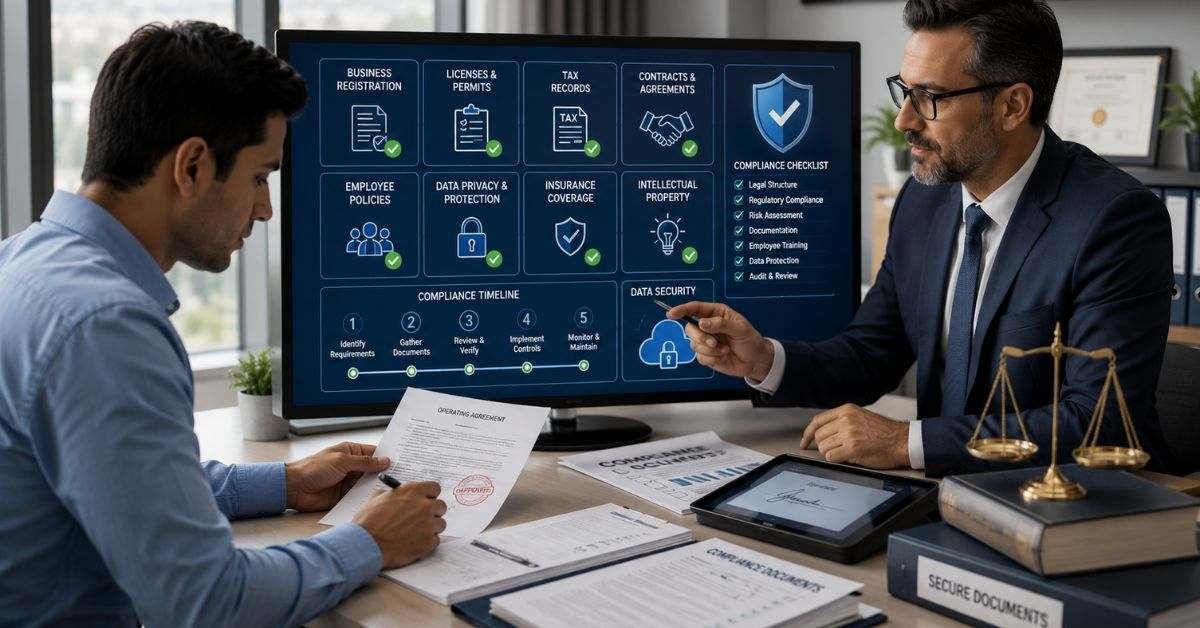
Legal duties depend on the country, industry, location, and business structure. iCostamp can explain general areas, but official rules should be checked before major decisions.
Common tasks include
- Registering the business name
- Choosing a legal structure
- Getting required permits
- Opening a business bank account
- Preparing written agreements
- Checking tax and privacy rules
- Protecting original work
Ignoring these duties can cause fines or disputes. Important tax, contract, and ownership questions should be reviewed by a qualified professional.
Create Reliable Daily Operations
Operations are the repeated steps used to serve customers, including taking orders, collecting payments, checking quality, delivering work, and handling complaints. The iCostamp framework supports systems that are easy to repeat. Each task should have one responsible person, a deadline, a quality check, and a backup plan. Technology should solve a real problem. A checklist or task board may work better than expensive software.
Build a Capable Team
As a company grows, the owner cannot complete every task alone. iCostamp treats team management as a major pillar because workers affect quality, speed, and trust.
Every role should have
- A clear purpose
- Main responsibilities
- Expected results
- Required tools
- Decision limits
- A review schedule
Hiring too early can create high costs. Hiring too late may cause missed deadlines and burnout. New workers need training and clear communication.
Connect Marketing with Sales
Marketing creates attention, while sales create revenue. iCostamp connects both because popular content does not always produce paying customers.
| Weak Measurement | Better Measurement |
| Social media likes | Qualified enquiries |
| Website visits | Purchases or bookings |
| Advertisement clicks | Profit after advertising |
| Email subscribers | Sales from email |
A clear message explains the problem, solution, price, and reason to trust the business. Choose channels where buyers spend time, and test one channel at a time.
Know When to Scale
Growth should happen only when demand, systems, and finances are stable. iCostamp helps owners judge readiness instead of expanding because of excitement.
A company may be ready when:
- Customers return or recommend it
- Sales remain steady
- Profit margins are understood
- Orders arrive on time
- Workers can act independently.
- Income is not tied to one customer.
- Cash can support expansion
Scaling may involve more workers, products, locations, or markets. Test one large modification at a time. If complaints rise or cash becomes tight, growth may be too fast.
Follow a 90-Day Plan
The iCostamp method becomes useful when learning leads to action. During the first 30 days, study customers, compare competitors, test the idea, and prepare a plan. During days 31 to 60, complete registrations, organize records, set prices, and document delivery. During days 61 to 90, test one marketing channel, track sales, collect feedback, and improve the weakest area. Score all seven pillars from one to five each month. Start with the lowest score because it may create the greatest risk.
FAQs
What is iCostamp?
It is a business learning platform built around seven connected areas of planning, management, and growth.
Is it useful for beginners?
Yes. It explains the main steps involved in starting and managing a company.
Can it replace a lawyer or accountant?
No. Important legal, tax, and financial decisions need qualified advice.
Can an existing business use it?
Yes. Existing owners can use the framework to find weaknesses and growth risks.
How does iCostamp support business growth?
It gives owners a structure for reviewing problems, setting priorities, and taking action.
Conclusion
Building a strong company takes more than a clever idea or a successful advertising campaign. Planning, finance, legal protection, operations, people, marketing, and growth must work together. iCostamp gives owners a useful structure for reviewing these areas and finding weak points before they become problems. The framework works best when it leads to regular action, honest measurement, and improvement. Owners do not need to fix everything at once. A better approach is to choose one important weakness, set a clear goal, complete the work, and study the result. This method reduces confusion and makes progress easier to measure. Begin by scoring every business pillar from one to five. Select the lowest score and choose one action that can be completed during the next seven days. Small, steady improvements can create stronger systems, better customer trust, healthier finances, and safer long-term growth for the company and everyone who depends on it.