

Introduction
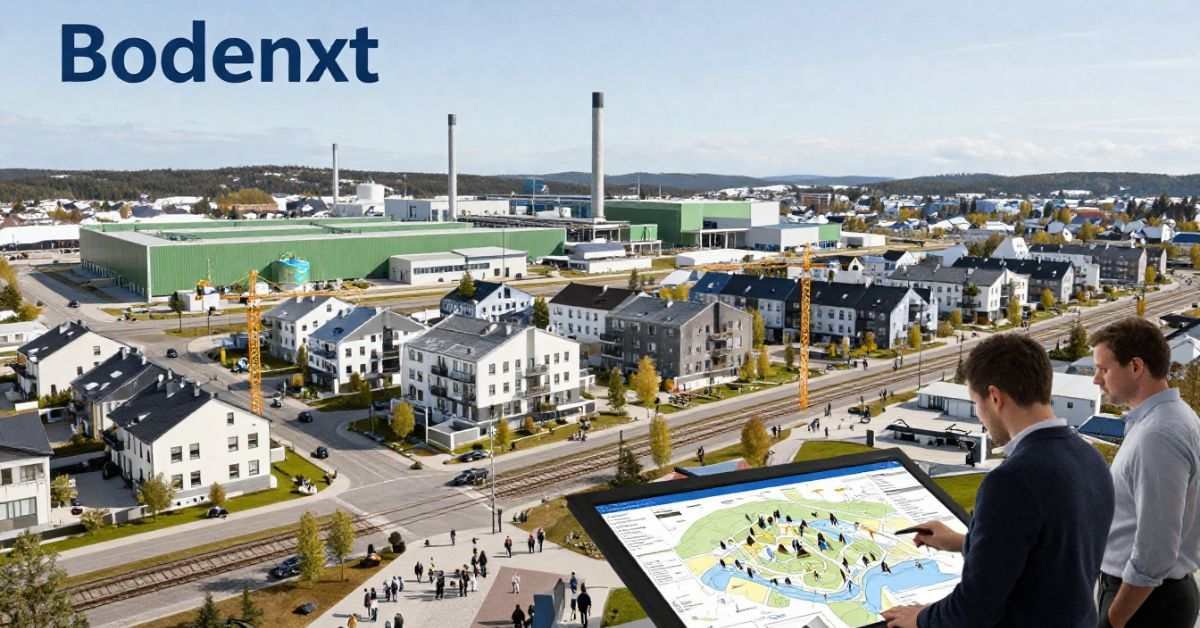
Boden is entering a major period of change. New green industries, transport projects, housing plans, and training programs are bringing investment and jobs to this northern Swedish municipality. Bodenxt is the public development platform created to guide that growth and help different projects work together. The plan follows a simple idea: a factory cannot succeed on its own. Workers need homes, roads, schools, healthcare, shops, and reliable public services. Local businesses also need clear information so they can prepare for new customers and contracts.
This article explains how Bodenxt connects industry with community development. It covers green steel, housing, infrastructure, workforce planning, small-business opportunities, and the circular economy. It also explains the main risks that could slow progress. By understanding the benefits and challenges, residents, workers, investors, and business owners can make better decisions about Boden’s changing economy in 2026 and the years ahead. Balanced planning matters during rapid change.
What Is Bodenxt?
Bodenxt is a development platform led by Boden Municipality. It combines public planning, private investment, education, transport, housing, and environmental goals. A new industrial site may create jobs, but it also increases demand for homes, roads, schools, energy, and healthcare. The platform studies these effects together.
Its main areas include
- Green industry and cleaner production
- Housing for workers and families
- Roads, railways, water, and energy
- Education and workforce training
- Community services and quality of life
This connected method helps leaders prepare for fast growth.
Why Connected Planning Matters
Rapid development can create pressure. If jobs grow faster than housing, workers may be unable to move to the area. If roads and utilities are not ready, companies may face delays. Bodenxt encourages municipal teams, businesses, educators, developers, and community groups to share information.
Connected planning helps leaders:
- Find problems early
- Match housing with job growth
- Improve transport before demand rises
- Prepare schools for technical skills
- Protect public services
Better timing allows housing, transport, education, and industry to move forward together.
Green Industry and Business Growth
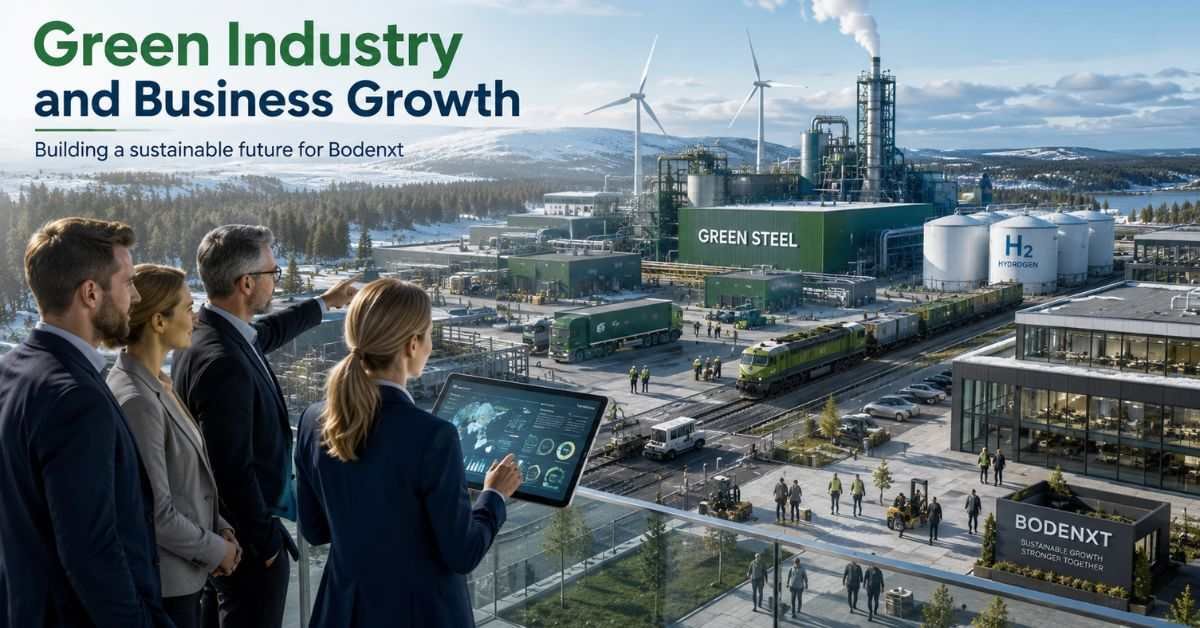 Green steel is a major force behind Boden’s economic change. Modern methods can use renewable electricity and hydrogen to lower carbon emissions compared with traditional steelmaking. The investment may create jobs for engineers, technicians, operators, safety workers, and managers. It can also support construction, transport, software, accommodation, cleaning, and repair businesses. Bodenxt helps the municipality prepare for this wider network.
| Business area | Possible opportunity |
| Construction | Factories, homes, roads, and offices |
| Logistics | Moving equipment and products |
| Technology | Automation, data, and security |
| Services | Food, hotels, cleaning, and retail |
| Maintenance | Repair and industrial support |
Smaller suppliers may create much of the long-term local value.
Housing for Workers and Families
Housing is an urgent challenge. New employees cannot settle in Boden without suitable and affordable homes. A shortage can also raise prices for current residents. Bodenxt supports apartments, family houses, temporary accommodations, and improved neighborhoods. High building costs and financing problems can slow progress.
Useful solutions include
- Energy-efficient rental apartments
- Smaller homes for single workers
- Family homes near schools
- Temporary housing during construction
- Renovation of empty buildings
Housing is also an economic need because companies cannot recruit enough workers without it.
Transport and Basic Infrastructure
A growing industrial area needs reliable roads, railways, water, electricity, and digital networks. These systems move people, goods, information, and services safely.
| Infrastructure | Main value |
| Railway | Moves heavy goods efficiently |
| Roads | Connect workers and suppliers |
| Water systems | Support homes and production |
| Energy networks | Power industry and housing |
| Digital networks | Support automation |
Bodenxt links these investments with population and business forecasts. This can help projects open on time and reduce costly emergency repairs.
Skills, Education, and Workforce Planning
New industries need engineers, electricians, operators, software specialists, construction workers, and safety professionals. Schools and training providers are developing programs linked to future jobs. Young people can prepare for local careers, while adults can retrain for growing industries. Workforce planning must also support international workers and family members who move with them. Through Bodenxt, employers and educators can share information about future skill needs. This gives local residents a better chance to gain from new investment.
Opportunities for Small Businesses
Large factories attract attention, but smaller companies can also benefit. Restaurants, shops, repair firms, transport providers, cleaners, childcare services, and property managers may see higher demand. Bodenxt can share information and encourage partnerships between local firms and large contractors.
Small businesses should
- Study future customer needs
- Prepare clear prices and services
- Follow safety and environmental standards
- Build relationships with larger companies
- Train staff early
A company can benefit without supplying a factory directly. It may serve workers, families, suppliers, or visitors.
Circular Economy and Resource Sharing
A circular economy prolongs the useful life of resources. Waste heat may warm buildings or greenhouses. Recovered materials can become inputs for another business, while treated water may be reused safely. The development plan encourages companies to study these links. Resource sharing can lower costs, reduce waste, and create income. Recycling, heat recovery, greenhouse farming, water treatment, repair, and material processing may all create jobs. This wider view can make the industrial area cleaner and more efficient.
Main Risks and Challenges
Fast growth is not guaranteed to succeed. Projects may face delays, rising costs, energy limits, worker shortages, or weak market demand. The town may also experience pressure on housing, healthcare, schools, roads, and public services. Bodenxt must therefore track jobs, new homes, supplier contracts, training results, infrastructure, environmental progress, and resident satisfaction. Clear public reporting helps residents understand progress. It also allows leaders to change plans when results are weaker than expected.
How People and Businesses Can Take Part
The success of Bodenxt depends on cooperation. Residents can attend public meetings and raise concerns about housing, traffic, schools, and services. Students can choose training linked to future jobs.
Businesses should prepare a short capability document covering:
- Products and services
- Available worker skills
- Safety and quality certificates
- Environmental methods
- Ability to support long projects
Companies should also meet local partners and learn how contractors select suppliers. Starting early can improve their chances of winning work.
FAQs
Is Bodenxt a private company?
No. It is a municipal development platform for Boden’s long-term growth.
What is its main purpose?
It connects industry, housing, infrastructure, education, and community planning.
Can small businesses benefit?
Yes. Growth can increase demand for construction, food, transport, repair, housing, and services.
Why is housing important?
Workers and families need affordable homes before they can settle in the area.
Is the plan only about green steel?
No. It also covers jobs, training, transport, housing, services, and community life.
Conclusion
This development model shows that successful industrial growth requires more than factories and investment. A strong local economy also needs homes, transport, education, public services, skilled workers, and companies that can support a growing population. The plan may create jobs, attract businesses, improve infrastructure, and support cleaner production. It may also give students, workers, and small companies better opportunities. However, leaders must keep solving housing shortages, controlling costs, preparing public services, and training enough workers.
Bodenxt will be most effective when progress is reported openly and local people remain involved. Business owners should study future demand, improve their standards, and build partnerships before major contracts appear. Residents should follow development plans and speak up about services that affect daily life. With careful planning, honest decisions, and shared responsibility, Boden can turn rapid change into lasting value for its economy, environment, and community. The final goal is shared, fair, lasting progress.