

Introduction
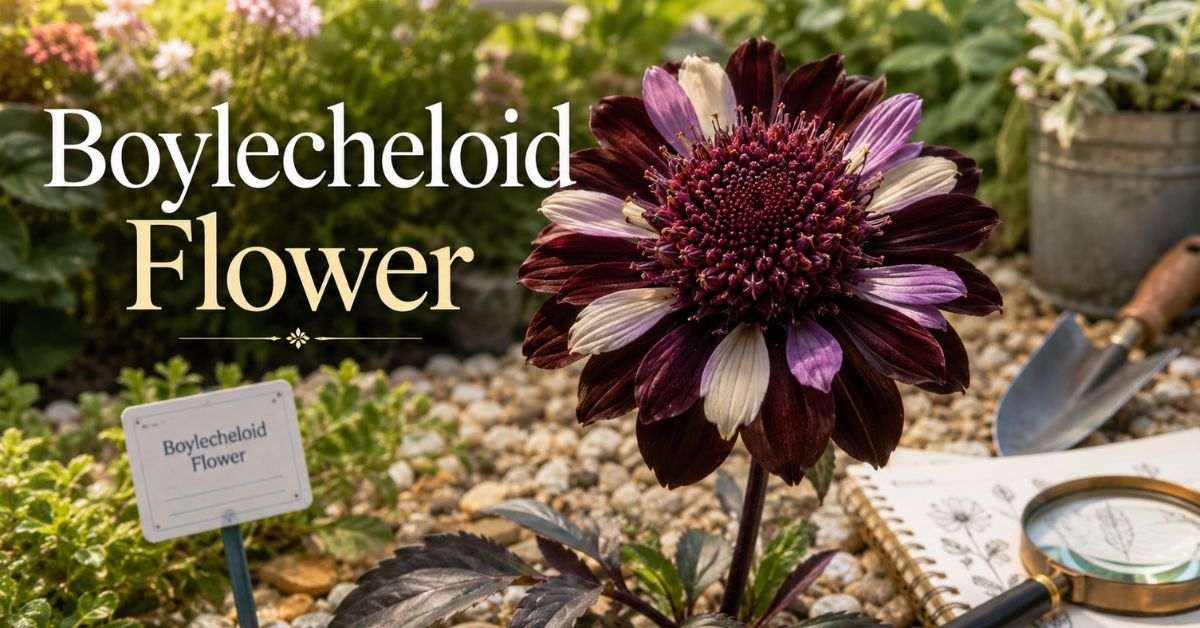
The boylecheloid flower has attracted attention across gardening websites because of its unusual name and supposed decorative beauty. Some online sources describe it as a rare bloom with textured petals, changing colors, and special growing qualities. However, there is currently no confirmed botanical record proving that this name belongs to an officially recognized plant species. This makes it important for gardeners to separate imaginative online descriptions from reliable plant information.
Even though its identity remains uncertain, the topic can help readers become smarter plant buyers and better gardeners. By checking scientific names, nursery labels, growing instructions, and trusted botanical databases, people can avoid misleading claims. Gardeners can also create a similar decorative look with real plants such as chocolate cosmos, dark dahlias, garden cosmos, and pincushion flowers. This guide explains the mystery behind the name while offering practical, safe, and beautiful alternatives for flower beds, borders, balconies, and containers.
What Is the Boylecheloid Flower?
The boylecheloid flower is best understood as an unverified online plant name. It has no confirmed scientific classification, official botanical description, or clearly recorded habitat. A genuine species normally has a two-part scientific name, a recognized family, a native region, and dependable growing details. Without these facts, gardeners cannot know what they are buying or how to care for it. The term may have started as an invented word, spelling error, or puzzle phrase. Later websites added different descriptions, making it appear more established than it really is.
Why Did the Name Become Popular?
The boylecheloid flower attracts attention because its name sounds rare and scientific. Strange terms encourage curiosity, especially when they appear beside colorful or edited images.
The idea may have spread in this way:
- An unfamiliar plant name appeared online.
- A website added a creative description.
- Other pages repeated similar claims.
- Readers assumed repeated information was true.
- Search results made the term look trustworthy.
Repeated information is not proof. Reliable facts should come from scientific records, trained experts, or respected gardening organizations.
Is It a Real Species?
As of 2026, the boylecheloid flower is not known as an accepted botanical species. No reliable scientific name, family, or official habitat has been clearly connected with it. Correct identification matters because plants have different needs. Without a verified identity, no one can confidently state its sunlight, soil, watering, size, flowering season, or frost tolerance. Be careful when a seller offers seeds under this name. A responsible nursery should provide a scientific name, expected size, flowering period, and complete care instructions.
Claims That Need Checking
Some pages make the boylecheloid flower sound extraordinary. They may mention color-changing petals, raised patterns, extreme weather resistance, or a mysterious discovery story.
Check whether the description includes:
- A correctly written scientific name
- A recognized plant family
- A clear native region
- Original and consistent photographs
- Practical growing instructions
- Support from trusted plant experts
When these details are missing, the description may be creative writing rather than reliable gardening advice.
Real Flowers With Similar Beauty
Gardeners who like the imagined appearance of the boylecheloid flower can choose real plants with dark colors, soft petals, or unusual texture.
| Real flower | Main feature | Best use | Care level |
| Chocolate cosmos | Dark red-brown blooms and sweet scent | Pots and borders | Moderate |
| Garden cosmos | Light foliage and colorful flowers | Cottage gardens | Easy |
| Dark dahlia | Bold shape and burgundy tones | Focal points | Moderate |
| Pincushion flower | Textured flower heads | Pollinator beds | Easy |
These choices are easier to identify and grow because their sunlight, soil, and watering needs are well documented.
Why Chocolate Cosmos Is a Good Alternative
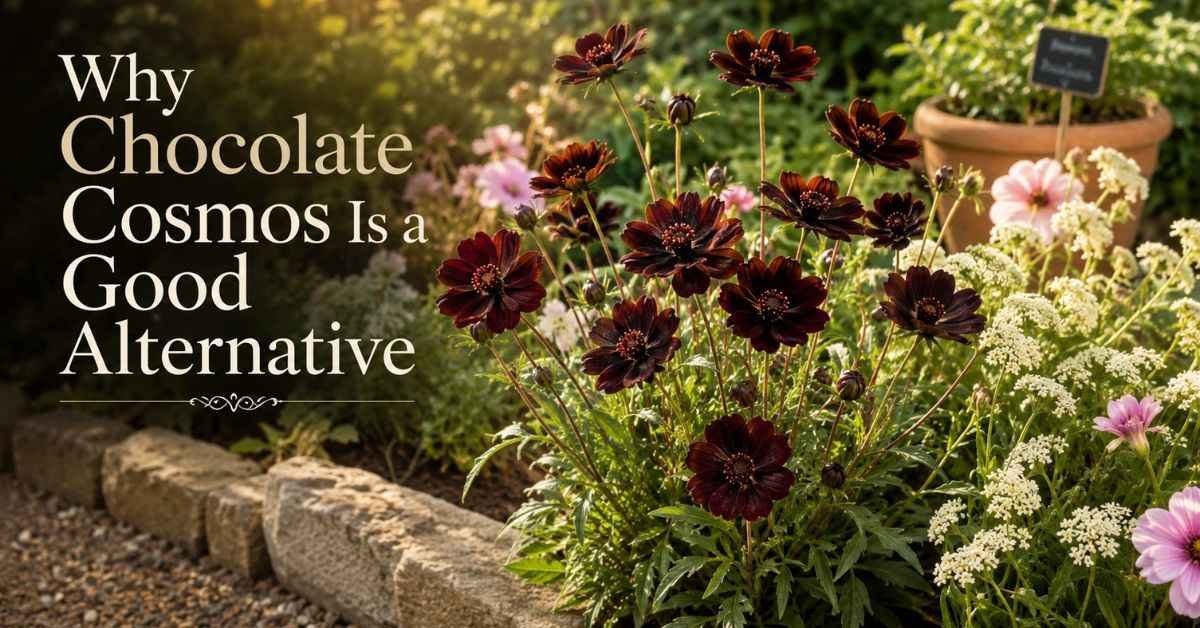
Chocolate cosmos is one of the closest real alternatives to the boylecheloid flower. It produces deep red or brownish blooms and is known for a light chocolate-like scent. Its dark color looks attractive beside white, cream, pale pink, and silver plants. It also works well near paths, patios, and seating areas where its fragrance can be noticed. Chocolate cosmos prefers full sunlight and well-drained soil. In cold regions, its underground parts may need frost protection. Its rich color and unusual scent make it a strong decorative choice.
Basic Growing and Care Tips
Because the boylecheloid flower has no verified care guide, gardeners should follow the proven needs of real ornamental plants.
Useful care steps include
- Choose a sunny growing area.
- Use loose, well-drained soil.
- Water when the topsoil begins to dry.
- Remove faded flowers regularly.
- Avoid very heavy fertilizer use.
- Protect sensitive roots from frost.
Too much nitrogen can create many leaves but fewer flowers. A balanced fertilizer used in small amounts is usually a better choice.
Containers or Garden Beds?
The decorative style linked with the boylecheloid flower can be created in either pots or garden beds.
| Factor | Containers | Garden beds |
| Drainage | Easier to control | Depends on the soil |
| Winter care | Pots can be moved | Roots may need lifting |
| Watering | Needed more often | Soil may stay moist longer |
| Space | Good for balconies | Better for large displays |
| Design | Easy to rearrange | Creates a fuller border |
Containers are useful for small spaces and colder areas. Garden beds work well when several flowers are grouped together to create a larger display.
Decorative Garden Ideas
A garden inspired by the boylecheloid flower should use contrast, repeated colors, and different plant heights. Dark blooms may disappear against deep green leaves, so place lighter flowers or silver foliage nearby.
Try these combinations
- Chocolate cosmos with white alyssum
- Burgundy dahlias with pale grasses
- Pink cosmos behind low edging plants
- Pincushion flowers beside lavender
- Dark blooms near cream walls or light gravel
Place scented plants near paths, doors, or seating areas. Repeating the same shade in different parts of the garden can make the entire space feel balanced.
How to Buy Unusual Plants Safely
The popularity of the boylecheloid flower shows why unknown plant labels should be checked before buying seeds or young plants.
Before ordering
- Ask the seller for the scientific name.
- Confirm the plant family and mature size.
- Compare photographs from reliable sources.
- Read the sunlight and soil requirements.
- Avoid promises of impossible colors.
- Select a vendor who has a transparent refund policy.
Edited pictures can make ordinary flowers appear extremely rare. Complete plant details are more valuable than dramatic advertising.
What Gardeners Can Learn
This mystery shows how quickly uncertain information can spread online. Scientific names protect gardeners because they connect a plant with reliable facts about its origin, appearance, growth, and care. A beautiful garden does not need a mysterious label. Chocolate cosmos, garden cosmos, dark dahlias, and pincushion flowers can provide rich colors and strong decorative appeal. These real plants also give gardeners dependable care information and a better chance of healthy growth.
FAQs
Is the boylecheloid flower real?
No accepted botanical record currently confirms it as a genuine plant species.
Can its seeds be purchased?
Be cautious and ask the seller for a recognized scientific name before ordering.
Is it another name for chocolate cosmos?
No official evidence proves this, although chocolate cosmos offers a similar dark appearance.
Which alternative is easiest for beginners?
Garden cosmos and pincushion flowers are usually easier for new gardeners to grow.
Can dark ornamental flowers grow in pots?
Yes. Many cosmos and dahlia varieties grow well in containers with proper drainage.
Conclusion
The boylecheloid flower may sound like a rare garden treasure, but it is not supported by an accepted botanical identity. Treating the name as an unverified online term helps gardeners avoid false claims, poor-quality seeds, and confusing care advice.
The mystery can still inspire a beautiful planting plan. Chocolate cosmos adds deep color and fragrance, garden cosmos creates gentle movement, dark dahlias provide bold shapes, and pincushion flowers add attractive texture. Check the sunlight and soil in your garden, select a genuine species, and buy it from a nursery that provides a complete botanical label. Imagination can shape a garden, but accurate information is what helps it grow successfully.