

Introduction
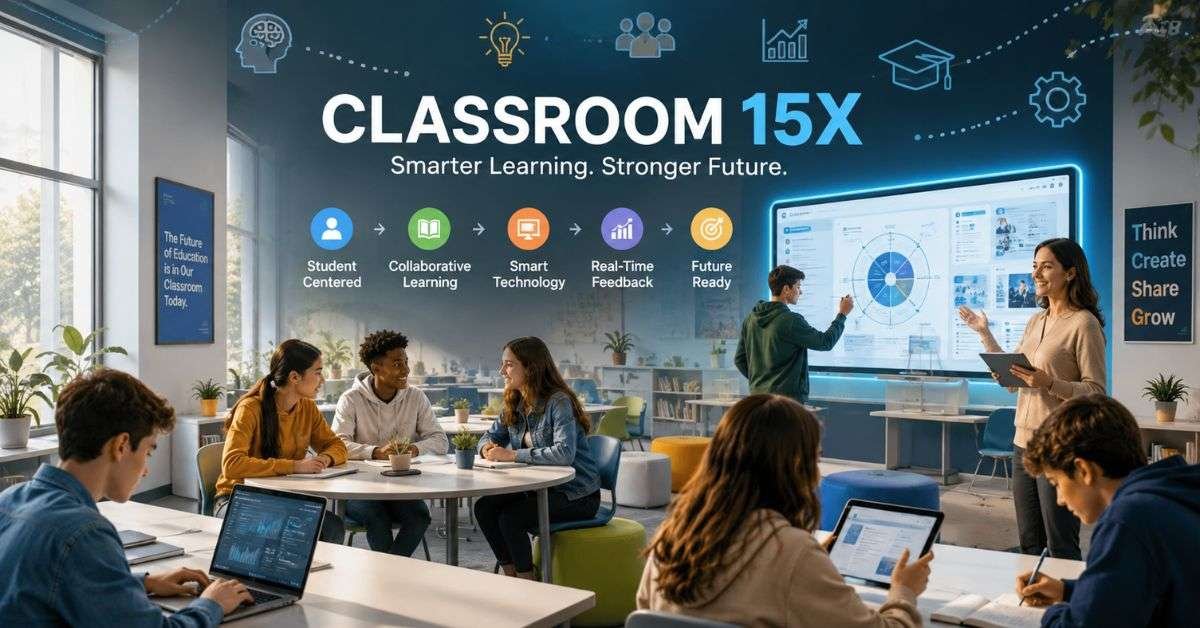
Schools are changing as teachers search for better ways to improve understanding, participation, and practical skills. Classroom 15x is a modern learning idea that combines teacher guidance, flexible activities, useful technology, and regular feedback. The name does not prove that students learn fifteen times faster. Instead, it describes a learning space where students can use different methods while working toward the same goal. Teachers still explain difficult topics, monitor progress, and support learners who need extra help. Technology is used only when it makes a lesson clearer or more useful. This guide explains how the approach works, how it differs from traditional teaching, and how schools can introduce it safely.
What Is Classroom 15x?
Classroom 15x is not an official government program or one fixed teaching method. It is an informal term for a flexible, student-focused, and technology-supported classroom. It does not remove books, handwriting, direct instruction, or quiet study.
A well-planned model may include:
- Clear lesson goals.
- Individual, pair, and group activities.
- Short checks during lessons.
- Tasks for different learning needs.
- Digital tools that support the topic.
The method works best when teachers plan carefully and students understand what they need to learn.
Why Are Schools Interested?
Schools are interested in Classroom 15x because students learn at different speeds. Some understand after one explanation, while others need examples, visual support, discussion, or extra practice. In a science lesson, one group may complete an experiment, another may study a diagram, and a third may discuss results with the teacher. Everyone studies the same idea, but students use different paths to understand it. This style can also build teamwork, creativity, communication, digital confidence, and problem-solving skills. These abilities can help students in school, college, and future jobs.
Traditional and Flexible Classrooms Compared
Both teaching styles can be useful. Direct teaching works well when students meet a difficult idea for the first time. Flexible learning is beneficial when they need practice, feedback, discussion, or extra support.
| Learning Area | Traditional Classroom | Classroom 15x Approach |
| Lesson pace | Mostly the same for everyone | Changes according to student needs |
| Student role | Mainly listens and completes work | Discusses, creates, tests, and reflects |
| Teacher role | Main source of information | Instructor, guide, and coach |
| Assessment | Mainly larger tests | Short checks and larger tests |
| Seating | Usually fixed | Changes with the activity |
Strong teaching often combines both approaches instead of choosing only one. A teacher may explain a topic directly and then allow students to practice it through group work, independent study, or a practical activity.
The Teacher’s Role
In Classroom 15x, the teacher remains the main guide. Technology cannot understand every student’s emotions, build trust, manage a class, or make every learning decision.
The teacher should
- Explain ideas clearly.
- Select activities that match the lesson goal.
- Check whether students truly understand.
- Help students who fall behind.
- Stop tools that cause distraction.
- Review AI-generated information before using it.
A skilled teacher also knows when a book, worksheet, practical task, or face-to-face discussion is better than a screen. Technology should support professional teaching rather than replace it.
Using Technology and AI Carefully
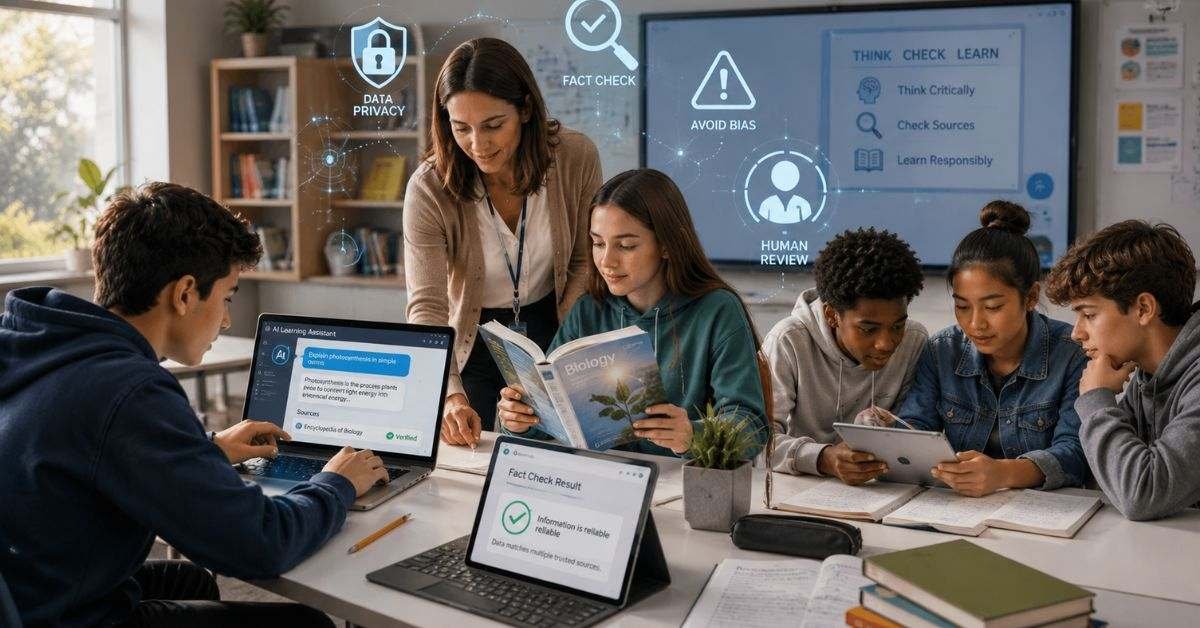
Technology can help students research topics, practice skills, create presentations, and receive quick feedback. AI may also help teachers prepare examples, questions, reading passages, or practice activities. However, it should not complete all the thinking for students. A useful rule for Classroom 15x is that AI should support learning rather than hide it. Students should still explain answers in their own words, show their working, check sources, and correct mistakes. Schools also need clear rules covering privacy, academic honesty, age limits, and acceptable AI use. Students should understand that automated tools can provide incorrect, unfair, or misleading answers.
Student Safety and Equal Access
A modern classroom must protect every learner. Before using an app or website, the school should check what information it collects, who can view that information, and how long it is stored.
Important safety actions include
- Avoiding tools that request unnecessary personal details.
- Providing non-digital options when possible.
- Supporting students with weak internet connections.
- Using accessibility tools for disabled learners.
- Blocking unsafe links, advertisements, and unrelated games.
Classroom 15x should reduce learning gaps rather than make them larger. Students should not receive weaker support simply because they do not own a new device or have fast internet at home.
A Simple 30-Day Plan
Schools can test Classroom 15x in one class before making a wider change. A small trial helps teachers find problems early, improve the plan, and avoid wasting money.
| Time | Main Action | What to Check |
| Days 1–5 | Choose one class and learning goal | Starting knowledge and student needs |
| Days 6–10 | Select one activity or digital tool | Safety, access, and ease of use |
| Days 11–20 | Teach the trial lessons | Participation and work quality |
| Days 21–25 | Collect feedback | Student and teacher opinions |
| Days 26–30 | Compare the results | Learning, workload, and problems |
The school should continue only if the change improves learning without creating serious cost, privacy, workload, or access problems.
How to Measure Success
Success should not be measured by the number of devices, apps, or hours spent online. Schools should focus on whether students understand the topic and can use what they have learned.
Useful signs of success are:
- Better quiz and assignment results.
- More participation from quiet students.
- Stronger teamwork and classroom discussion.
- Greater confidence and independence.
- Fewer repeated misunderstandings.
- A reasonable workload for teachers.
A digital activity may be enjoyable without being educational. Classroom 15x should therefore be judged through student work, short tests, teacher observations, projects, explanations, and feedback. Schools should compare results from before and after the trial. They should also ask whether students can explain the topic without depending on an app or AI tool.
Benefits and Possible Problems
Classroom 15x can make lessons more active and give learners more ways to practice. It may also help teachers notice learning problems earlier and provide support before students fall further behind.
Possible benefits include
- Faster and more useful feedback.
- Greater student participation.
- Better teamwork and communication.
- More choice in learning activities.
- Stronger problem-solving skills.
Distraction, excessive screen time, poor internet, privacy concerns, more expenses, and an excessive reliance on AI are some potential issues. Schools should deal with these risks before expanding the model. The goal is not to use more technology. The goal is to use the right teaching method for each lesson.
FAQs
Is Classroom 15x an official school program?
No. It is an informal term for a flexible and technology-supported learning approach.
Does it require artificial intelligence?
No. Schools can use projects, group work, practical tasks, and regular feedback without AI.
Is it better than traditional teaching?
It may improve some lessons, but direct teaching, books, handwriting, and written work remain useful.
Can a low-budget school use it?
Yes. Schools can begin with desk changes, group tasks, short quizzes, and one carefully selected tool.
How should a school begin?
Start with one class, one learning goal, and one short trial. Review the results before expanding.
Conclusion
Classroom 15x is best understood as a practical idea for making learning more flexible, active, and supportive. It is not a guaranteed way to produce perfect results, and it should never replace trained teachers. Its real value comes from clear goals, thoughtful lessons, useful feedback, responsible technology, and fair access. Schools should begin with a small test instead of changing every classroom at once. A teacher can select one difficult lesson, add a group activity or helpful digital tool, and compare student understanding before and after the lesson. With careful planning, Classroom 15x can support stronger and more balanced learning. Choose one lesson this week and test one change that may improve understanding. Keep what works, remove what does not, and always place learning before technology.