

Introduction
Buying gold once meant visiting a dealer, examining coins or bars, arranging secure storage, and paying handling or insurance costs. Digital services have transformed this process by allowing people to gain exposure to gold through websites, mobile applications, and online accounts. This is why GoldZeus has attracted readers who want to understand modern gold investment without keeping valuable metal inside their homes.
An educational website, however, is not the same as a trading or custody service. GoldZeus appears to focus mainly on gold information and investment guidance. It should not be treated as a seller of gold-backed tokens unless it clearly provides company details, vault information, payment tools, and customer terms. This guide explains how digital gold works, its possible benefits, and the main risks beginners should consider.
What Is GoldZeus?
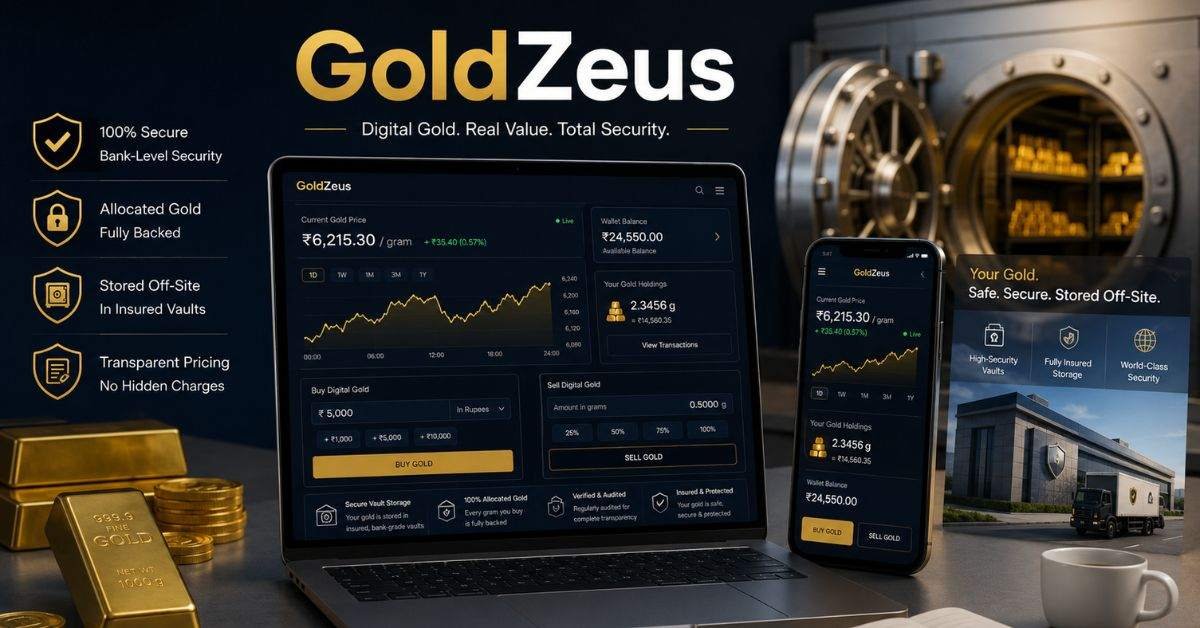
GoldZeus is best understood as a gold education website. Its content may discuss physical bullion, exchange-traded funds, mining companies, market prices, and online gold products. A reader may use GoldZeus to compare investment choices or learn important market terms. However, such a service does not automatically mean the website accepts customer money, sells tokens, or stores physical gold.
Before using any online provider, check:
- Its registered company name and business address
- Financial licence or registration details
- The identity of its vault or custodian
- Clear buying, selling, and withdrawal rules
- Reliable customer support information
These details can help users separate a genuine investment provider from an information-only website.
What Is Digital Gold?
Digital gold is an online product connected to the price or ownership of physical gold. Instead of keeping a coin or bar at home, a buyer holds a digital balance, account record, certificate, or token. Some products are fully backed by physical metal stored inside a professional vault. Other products only follow the market price of gold without giving customers direct ownership.n GoldZeus may help readers understand these differences, but customers should always read the official documents of the provider they plan to use. Marketing language should never replace clear legal information.
How Gold-Backed Tokens Work
A gold-backed token is a digital unit designed to represent a fixed amount of physical gold. It may be stored in an online investment account or a blockchain wallet.
The normal process includes
- A company purchases approved gold bars.
- A professional custodian stores them in a secure vault.
- The issuer creates digital units representing the stored metal
- Customers buy, sell, or transfer those units
- Records are updated to match the available gold reserves.
Blockchain technology can make transactions easier to record, but it does not automatically make a product safe. Reliability also depends on the issuer, vault, insurance, audits, legal structure, and withdrawal system.
Do Buyers Own Real Gold?
Ownership rules are different for every service. With allocated gold, a specific amount of metal is assigned to an individual customer. The customer may have stronger ownership rights because the gold is separated from the company’s main assets. With pooled or unallocated gold, the buyer may own only a share of a larger reserve or have a financial claim against the provider.
Terms like “allocated,” “fully backed,” “insured,” and “redeemable” should be studied by GoldZeus readers. These claims should be supported by contracts and independent reserve reports. Ownership rules may decide whether customer assets remain protected if a provider closes or becomes bankrupt.
Comparing Popular Gold Options
Different gold products provide different levels of control, convenience, and risk.
| Feature | Digital Gold | Physical Gold | Gold ETF |
| Storage | Managed by provider | Managed by owner | Managed by fund |
| Starting amount | Usually low | Often higher | Based on share price |
| Access | Website or app | Dealer or vault | Brokerage account |
| Physical delivery | Sometimes possible | Already owned | Usually unavailable |
| Main risk | Provider or custody failure | Theft, damage, or loss | Fund and market risk |
GoldZeus may help readers compare these choices. Digital gold can suit people who value convenience, while physical bullion provides direct possession. A gold ETF may be useful for someone who already has a brokerage account.
Fees That Can Affect Returns
An online provider may advertise low fees but earn money through the difference between its buying and selling prices. This difference is known as the spread.
Common charges include
- Buying and selling spreads
- Storage or vault fees
- Account management charges
- Blockchain or token transfer costs
- Physical gold delivery expenses
- Currency conversion fees
GoldZeus users should calculate the total cost of buying, holding, transferring, and selling. A low purchase fee can become expensive when storage, currency conversion, and withdrawal charges are added later.
Benefits of Digital Gold
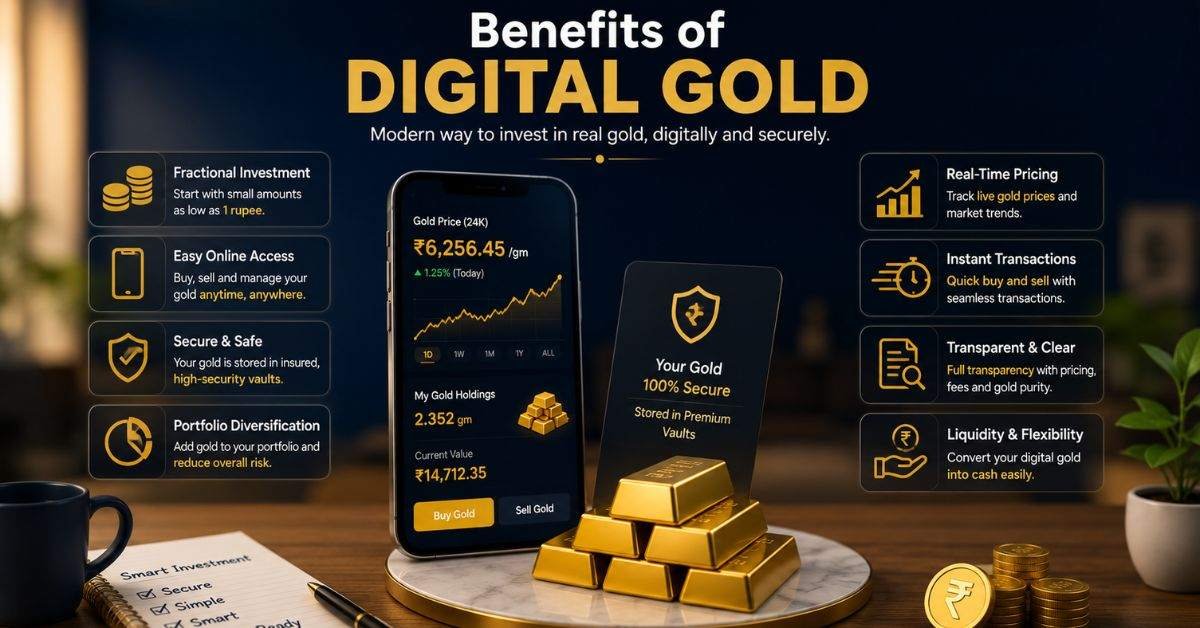
Online gold products can remove some of the difficulties connected with storing valuable metal at home. They may also allow beginners to begin with a smaller amount of money.
Possible advantages include
- Access through a smartphone or computer
- Small or fractional gold purchases
- No responsibility for home storage
- Faster buying and selling
- Clear online transaction records
- Professional vault storage
GoldZeus content may explain these advantages, but every provider should still be reviewed separately. Convenience has little value when a company cannot prove that the promised gold exists.
Risks and Warning Signs
Digital gold is not free from risk. Gold prices can fall, online platforms can fail, and customers may experience delays when selling or withdrawing funds. Online investment products may also face hacking, phishing, poor liquidity, lost passwords, and changing regulations.
Watch for
- Promises of guaranteed profits
- Pressure to deposit money immediately
- Missing company or vault information
- No independent reserve reports
- Hidden fees or withdrawal limits
- Unclear customer ownership rights
GoldZeus readers should not depend solely on advertisements, social media posts, screenshots, or online comments. A reliable provider should explain possible risks as clearly as it explains potential benefits.
How to Check a Provider
Before transferring money, confirm that the provider is real, transparent, and properly supervised.
| Check | What to Look For |
| Company identity | Registered name and business address |
| Regulation | Licence from a recognised financial authority |
| Gold reserves | Independent audit or reserve report |
| Vault details | Named custodian and storage location |
| Fees | Clear trading, storage, and withdrawal charges |
| Redemption | Rules for receiving money or physical gold |
Although GoldZeus might be a helpful place to start your investigation, it cannot take the place of official legal documents or professional financial advice. New customers should test a service with a small purchase. They should also try the selling or withdrawal process before investing a larger amount.
FAQs
Is GoldZeus a gold trading platform?
It appears to focus mainly on gold education. Users should confirm directly whether an official trading service is available.
Is digital gold safe?
It may be safer when a regulated company, a secure vault, independent audits, and clear customer rights are in place.
Can digital gold be exchanged for physical gold?
Some providers allow physical redemption, but minimum amounts, delivery fees, and location limits may apply.
Is digital gold the same as cryptocurrency?
Not always. Some products use blockchain tokens, while others use standard online investment accounts.
How can beginners avoid digital gold scams?
Check the company, regulator, vault, reserve reports, fees, ownership terms, and withdrawal rules before sending money.
Conclusion
Digital gold provides a modern way to follow or own gold without keeping bars and coins at home. It can offer smaller purchases, convenient account access, faster trading, and professional storage. However, it also creates risks connected with online security, legal ownership, custody arrangements, and company failure. GoldZeus may help readers understand the gold market and compare different investment products. Still, educational content is not proof that a service is regulated, fully backed, or suitable for every investor.
Before investing, compare at least three providers. Confirm who legally owns the gold, where it is stored, how often reserves are checked, what fees apply, and whether withdrawing money or physical metal is practical. Begin with a small amount and increase your investment only after the provider has proved reliable.