


Introduction
The bitcoin price is one of the most watched numbers in the crypto world. People follow it because BTC can move quickly, sometimes rising or falling within a single day. In 2026, Bitcoin is still the largest and most talked-about cryptocurrency, but it is not simple or risk-free. Many beginners want to know why BTC moves, whether it is still worth watching, and what signs show strength or weakness. This guide explains everything in simple English. You will learn about supply and demand, ETF (exchange-traded fund) activity, investor mood, chart levels, risks, and beginner-friendly steps.
As of April 28, 2026, BTC is trading near $76,919, with an intraday high around $78,973 and an intraday low around $76,574. These numbers can change quickly because crypto trades all day and all night.
What Bitcoin Is in 2026
Bitcoin is a digital asset that works without a central bank. It runs on a public blockchain, where transactions are recorded and verified by a network of computers. This makes it different from normal money, which is controlled by governments and banks, as Bitcoin operates independently of these institutions and allows for peer-to-peer transactions without intermediaries.
In 2026, crypto traders are not the only ones using BTC. Large investors, companies, financial news sites, and everyday people also monitor it. Some individuals perceive it as “digital gold” due to its limited supply. Others treat it as a high-risk growth asset. A key point is that Bitcoin has a fixed maximum supply of 21 million coins. CoinMarketCap also lists Bitcoin’s maximum supply as 21 million BTC and shows the circulating supply above 20 million BTC. This limited supply is one reason people care about BTC. But supply is only one part of the story. Demand, news, regulation, and market confidence also matter.
Current Market Snapshot
The bitcoin price in 2026 is moving near an important area. BTC recently came close to the $80,000 level but pulled back. Barron’s reported that BTC reached near $79,475 before slipping lower, showing that sellers appeared near the $80,000 zone.
Here is a simple market snapshot:
| Market Point | 2026 Reading | Why It Matters |
| BTC live value | Around $76,919 | Shows the latest market level. |
| Intraday high | Around $78,973 | Shows recent buyer strength. |
| Intraday low | Around $76,574 | Shows short-term downside pressure. |
| Key area to watch | $79,500–$80,000 | This area has acted like resistance in recent trading. |
For beginners, this means that Bitcoin (BTC) is active in the market but still uncertain in its price direction. A move close to a big round number like $80,000 can attract attention, but it can also bring profit-taking, leading to increased volatility as traders decide whether to hold or sell their positions.
Why BTC Moves Up and Down
BTC moves because buyers and sellers react to news, fear, hope, and market data. When more people want to buy than sell, the market value can rise. When sellers become stronger, it can fall.
The main reasons BTC moves include the following:
- Investor demand: More buying can push the value higher.
- ETF inflows: More money entering spot Bitcoin exchange-traded funds (ETFs) can show strong demand.
- Profit-taking: Traders may sell after a big rally.
- Macro news: Interest rates, inflation, and stock market moves can affect crypto.
- Regulation: New rules can increase confidence or create fear among investors, potentially influencing their trading decisions and market volatility.
- Exchange supply: If fewer coins are available to sell, buyers may have more impact on price movements, potentially driving prices higher due to increased demand and limited supply.
In late April 2026, reports linked BTC strength to strong ETF inflows and renewed market interest. One report noted BTC near $77,000 after touching $79,000, with strong capital inflows over nine days. The simple lesson is that BTC does not respond to a single factor. It is moved by many signals at the same time, including market sentiment, regulatory news, and macroeconomic factors.
Supply, Scarcity, and Demand
Bitcoin’s limited supply is one of its most important features. Unlike normal money, new BTC cannot be printed whenever someone wants. The maximum supply is fixed by the network rules. CoinMarketCap shows Bitcoin’s maximum supply as 21 million BTC and circulating supply above 20 million BTC. This means most coins already exist, but demand can still change every day, potentially affecting the market price and availability of Bitcoin for new investors.
| Factor | Positive Meaning | Negative Meaning |
| Limited supply | Scarcity may support long-term interest. | Scarcity does not stop short-term drops. |
| High demand | More buyers can lift BTC value. | Demand can cool quickly. |
| Lower exchange supply | Fewer coins may be ready to sell. | Holders can still sell during fear. |
| Big news events | Can bring new investors. | Can also create panic selling. |
A limited supply can help support the long-term story, but it does not guarantee profit. New investors should understand both sides before buying.
ETF Flows and Big Investor Interest
ETF flows are one of the most important BTC signals in 2026. A spot Bitcoin ETF allows investors to get exposure through a traditional investment product instead of buying coins directly. Farside Investors monitors daily U.S. spot Bitcoin ETF flows and claims to update its data in real time. Farside’s recent data revealed positive daily totals on several April 2026 sessions, including April 22 and April 23.
Why ETF flows matter
- They can show whether large investors are buying or selling.
- Strong inflows may support market confidence.
- Outflows can signal caution or profit-taking.
- ETF demand can affect short-term sentiment.
However, ETF inflows are not a guaranteed buy signal. Money can enter the market one week and leave the next. Beginners should use ETF data as one clue, not the full answer.
Important Chart Levels to Watch
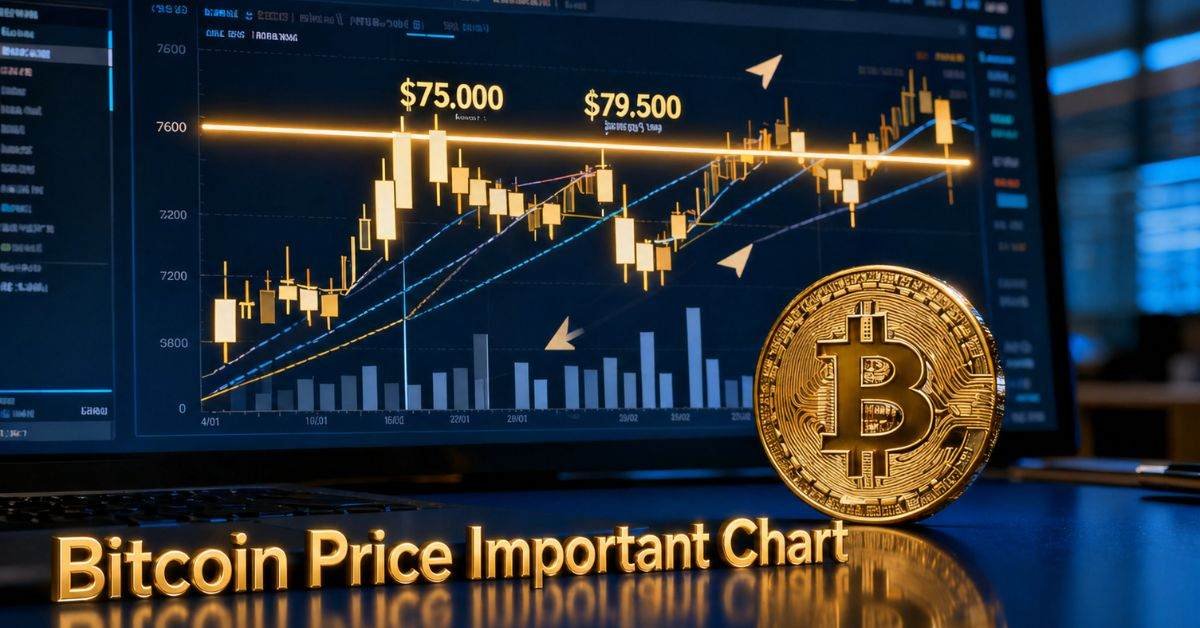
Chart levels help traders understand where buyers or sellers may appear. These levels are not perfect, but they can make market behavior easier to read.
In April 2026, Investing.com reported that BTC was facing resistance between $79,500 and $80,000. The same report noted that a failure to break that area could bring a move back toward the $75,000 level.
Important terms
- Support: A level where buyers may step in.
- Resistance: A level where sellers may appear.
- Breakout: A move above resistance with strong demand.
- Pullback: A short-term drop after a rise.
- Fakeout: A move that looks strong but quickly fails.
For beginners, chart levels should be used with risk control. A chart can help guide decisions, but it cannot predict the future with certainty, which means investors should be cautious and consider other factors such as market trends and news events when making trading decisions.
Main Risks for New Investors
The crypto market can offer opportunity, but it also has serious risks. BTC can rise quickly, but it can also fall swiftly. This is why new investors should avoid emotional decisions.
Main risks include
- Volatility: Large price swings can happen in one day.
- Scams: Fake exchanges, fake wallets, and phishing links can steal funds.
- Leverage: Borrowed money can cause rapid losses.
- Regulation: New rules may affect trading and access.
- Emotional buying: Fear of missing out often leads to bad timing.
- Security mistakes: Losing wallet keys can mean losing access forever.
A safe beginner mindset is simple: learn first, invest slowly, and never use money needed for bills, rent, food, or emergencies.
BTC Compared With Other Assets
BTC is often compared with gold, stocks, and stablecoins. Each asset has a different purpose. Understanding the difference can help readers avoid confusion.
| Asset | Main Purpose | Risk Level | Best For |
| BTC | Digital scarcity and crypto exposure | High | People who understand crypto risk |
| Gold | Traditional store of value | Medium | Defensive investors |
| Stocks | Ownership in companies | Medium to high | Long-term growth investors |
| Stablecoins | Digital dollar-like use | Lower crypto volatility | Transfers and trading liquidity |
BTC is not the same as gold or stocks. It can react to technology trends, ETF demand, regulation, and general risk appetite. This makes it exciting but also unpredictable. For most beginners, BTC should be studied as a high-risk digital asset, not as a guaranteed path to wealth.
Simple Strategy for Beginners
A smart beginner does not need to guess every move. Creating and adhering to basic guidelines is a superior strategy.
Here is an uncomplicated beginner strategy:
- Decide your budget before buying.
- Never put money into an investment that you cannot afford to lose.
- Avoid leverage and risky trading apps.
- Use trusted exchanges and strong passwords.
- Learn basic wallet safety.
- Track market news from reliable sources.
- Review your plan every month.
- Do not buy only because social media is exciting, as this can lead to impulsive decisions that may not align with your investment strategy.
A simple method some investors use is dollar-cost averaging. This involves purchasing small quantities at consistent intervals rather than attempting to select the ideal day. It does not remove risk, but it can reduce emotional timing mistakes, which can lead to more disciplined investment decisions over time.
Actionable CTA: Before buying BTC, write a one-page plan with your budget, risk limit, holding time, and exit rules.
Future Outlook for 2026
The 2026 outlook for BTC is balanced. Bulls point to limited supply, ETF demand, stronger institutional interest, and long-term adoption. Bears point to volatility, resistance near major chart levels, regulation, and profit-taking. The Bitcoin price may continue to react strongly to ETF flows, macro news, and investor sentiment. If BTC breaks above key resistance with strong volume, buyers may become more confident. If it fails, the market may move sideways or retest lower support areas. A successful reader should not depend on one prediction.
Instead, watch
- ETF inflows and outflows
- Volume and market liquidity
- Major support and resistance levels
- Regulatory updates
- Exchange supply trends
- Broader stock market behavior
Editor update note: Review and update this article every 6–12 months. Refresh live market data, ETF flows, chart levels, regulatory news, and trusted source links.
FAQs
What affects BTC the most?
Demand, ETF flows, supply, regulation, investor mood, and global market news all matter.
Is BTC safe for beginners?
BTC is risky. Beginners should learn first and only invest money they can afford to lose.
Why does BTC move so fast?
Crypto trades 24/7, and news, emotion, leverage, and liquidity can move it quickly.
Is limited supply enough to make BTC rise?
No. While scarcity is beneficial, it also requires demand and confidence.
Should I buy BTC in 2026?
That depends on your goals, budget, risk level, and time horizon. Always research first.
Conclusion
The bitcoin price remains one of the biggest signals in the crypto market, but it should not be studied alone. In 2026, supply scarcity, ETF flows, investor demand, market sentiment, chart levels, and global financial news shape BTC.
For beginners, the best step is not to chase every move. Learn the basics, follow trusted data, protect your account, and create a simple plan before investing. BTC can be exciting, but smart risk control is more important than guessing the next big move. Start with education, use small steps, and review your plan often. That is the safest way to understand Bitcoin in 2026.